Sewage Field Installation in Denver, CO
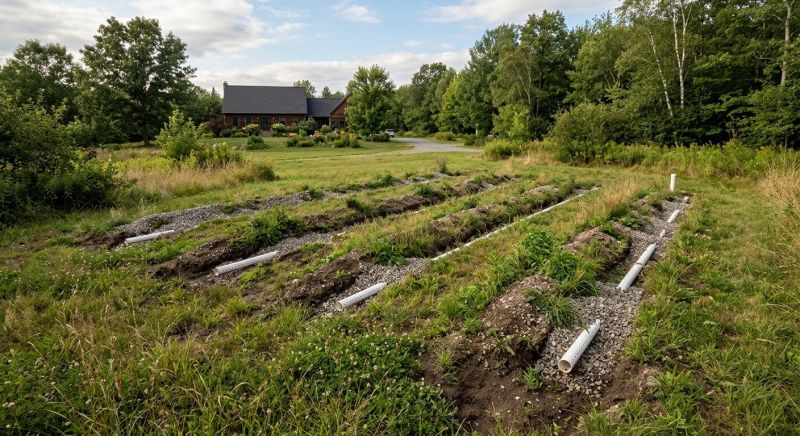
Sewage field installation involves setting up a subsurface system that safely manages wastewater from residential properties. This service typically covers projects such as installing new septic drain fields for homes without access to municipal sewer lines, replacing or upgrading existing systems, and designing solutions to accommodate property size and soil conditions. Property owners usually want to understand the scope of installation, the materials used, and how the system will function to ensure proper waste management and compliance with local regulations.
Before requesting sewage field installation, property owners should consider factors like property size, soil type, and the location of existing utilities. It’s also important to evaluate the property's drainage needs and any potential environmental constraints. Understanding these aspects can help in planning an efficient system that meets household needs while adhering to local health and safety standards. Proper planning ensures the installation supports long-term wastewater management and minimizes potential issues down the line.
Many property owners in Denver, CO look into Sewage Field Installation for repairs, replacements, upgrades, and appearance-related improvements.
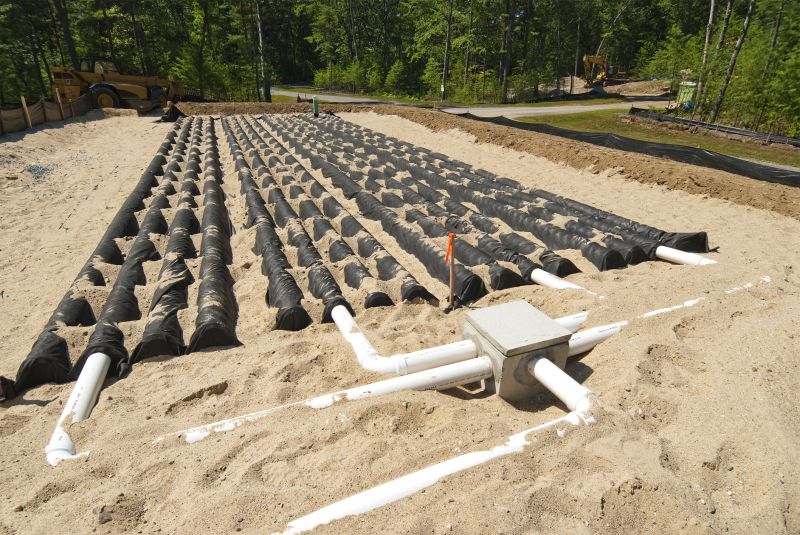
Sewage Field System Design
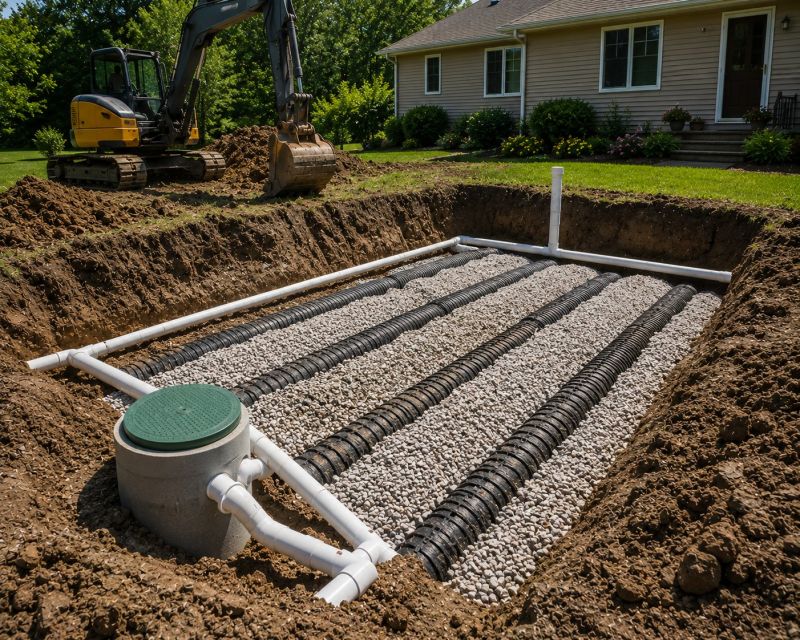
Proper design ensures efficient and reliable sewage disposal for residential and commercial properties in denver.
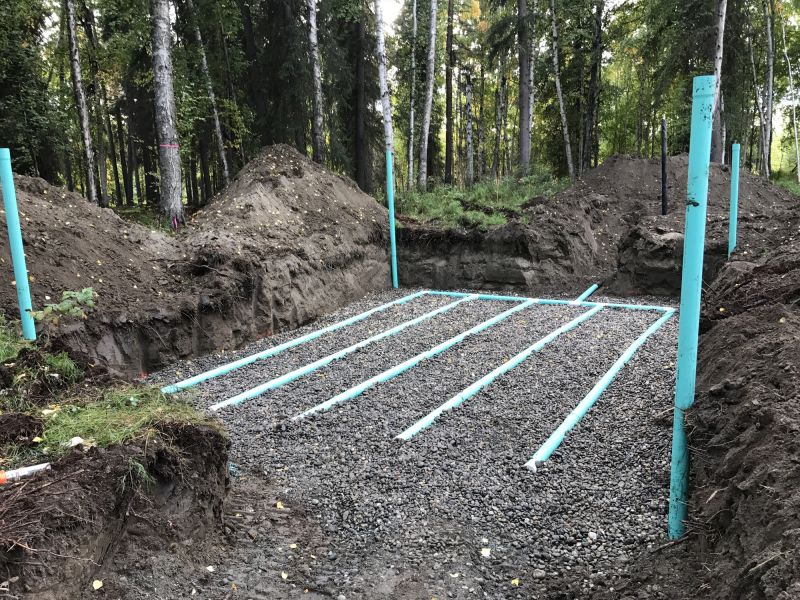
Installation And Connection
Professional installation connects your property to the sewage system, preventing backups and leaks.
Maintenance And Troubleshooting
Regular maintenance helps identify issues early and keeps the sewage field functioning smoothly over time.
Sewage Field Installation in Denver, CO

Sewage field installation involves setting up a subsurface system that safely manages wastewater from residential properties. This service typically covers projects such as installing new septic drain fields for homes without access to municipal sewer lines, replacing or upgrading existing systems, and designing solutions to accommodate property size and soil conditions. Property owners usually want to understand the scope of installation, the materials used, and how the system will function to ensure proper waste management and compliance with local regulations.
Before requesting sewage field installation, property owners should consider factors like property size, soil type, and the location of existing utilities. It’s also important to evaluate the property's drainage needs and any potential environmental constraints. Understanding these aspects can help in planning an efficient system that meets household needs while adhering to local health and safety standards. Proper planning ensures the installation supports long-term wastewater management and minimizes potential issues down the line.
Many property owners in Denver, CO look into Sewage Field Installation for repairs, replacements, upgrades, and appearance-related improvements.
Common Sewage Field Installation Jobs
Sewage Field Installation - Installing new sewage fields to ensure proper waste management for residential properties.
Septic System Setup - Setting up septic systems for homes without access to municipal sewer lines.
Sewage Drainage Solutions - Creating effective drainage systems to prevent sewage backups and overflows.
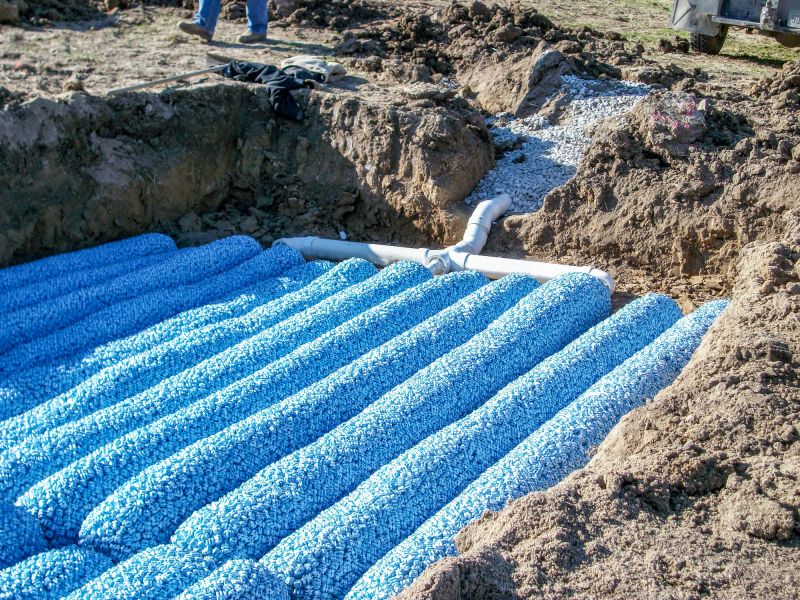
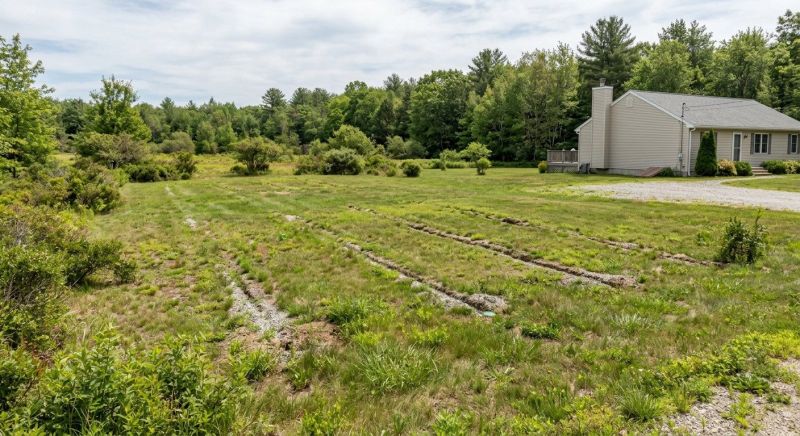
Leach Field Construction - Building leach fields that safely disperse treated wastewater into the ground.
System Replacement - Replacing outdated or failing sewage fields to maintain system efficiency.
Maintenance and Inspection - Providing inspections to identify issues before they impact property health.
Sewage Field Installation Questions
What is sewage field installation? Sewage field installation involves setting up a system to safely disperse wastewater from a property into the ground, ensuring proper sanitation and environmental protection.
What types of properties typically need sewage field installation? Residential homes, commercial buildings, and properties with septic systems often require sewage field installation to manage wastewater effectively.
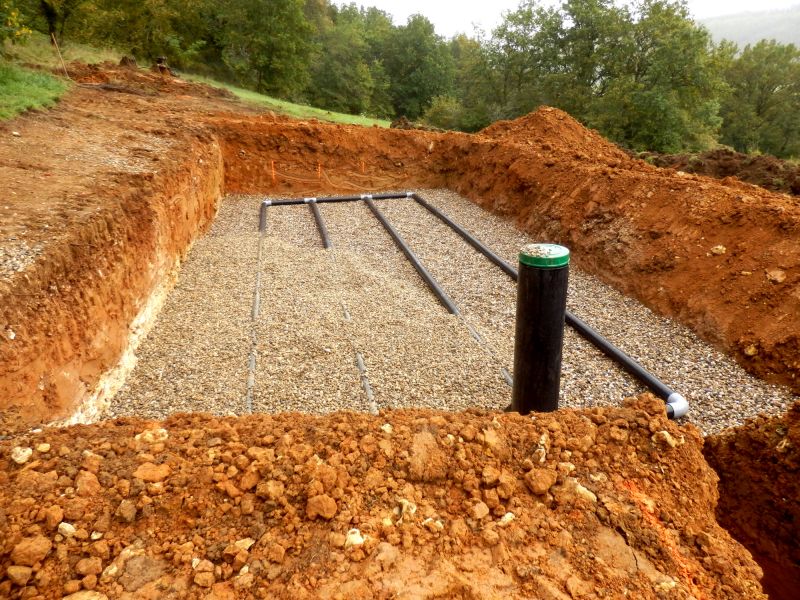
How is a sewage field installed? The process includes excavating the area, laying pipes, and installing a drainage bed that allows wastewater to filter naturally into the soil.
What should property owners consider before installation? It’s important to evaluate soil conditions, property size, and local regulations to ensure the system is properly designed and functioning.
Request Sewage Field Installation in Denver, CO
Use the quote form on this page to share the basics of your project and request more information for the type of work you need.