Optimal Timing for Septic Tank Installation
Determining the optimal time for septic tank installations involves considering seasonal and environmental factors. Proper timing ensures efficient installation processes and long-term system performance.
Spring and early fall are generally ideal due to moderate weather conditions, which facilitate excavation and installation activities.
Avoid installations during heavy rainfall or freezing temperatures, as these can delay work and impact soil conditions.
Dry, stable soil provides better support for excavation and reduces the risk of delays caused by muddy or unstable ground.
Planning installations during off-peak seasons can lead to more scheduling options and potentially lower costs.
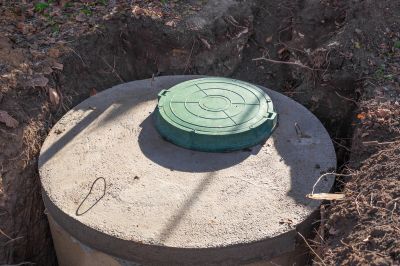
Preparing the site during suitable weather conditions ensures a smoother installation process.
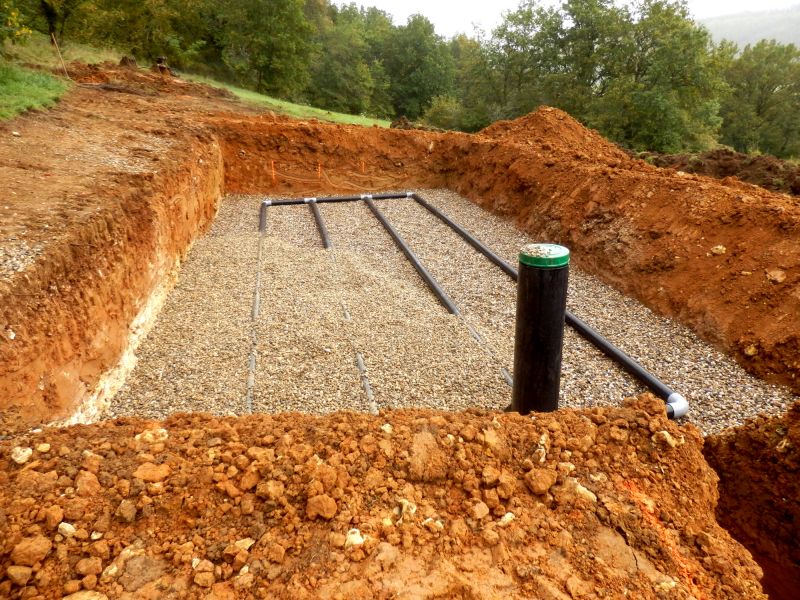
Proper excavation is crucial and is best performed when soil is dry and stable.
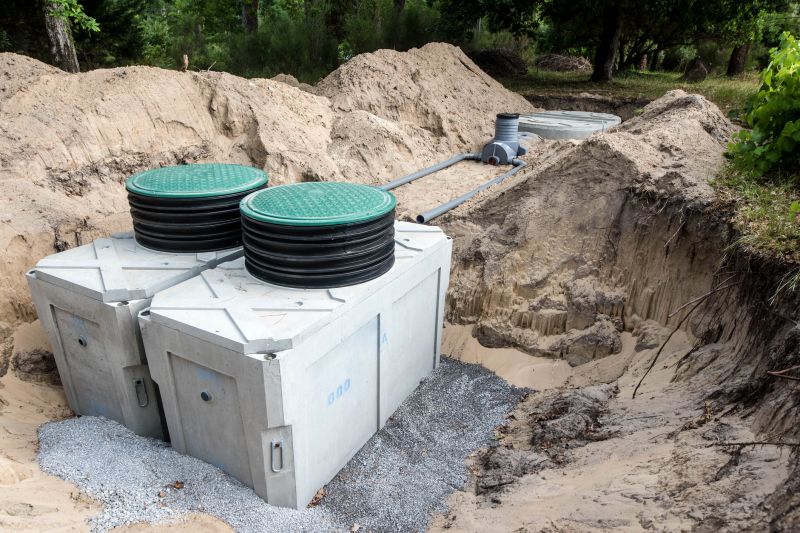
Installation of tanks and pipes requires optimal conditions for safety and efficiency.
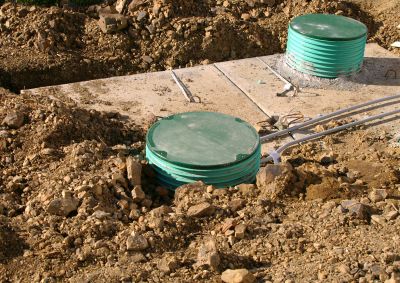
Ways to make Septic Tank Installations work in tight or awkward layouts.
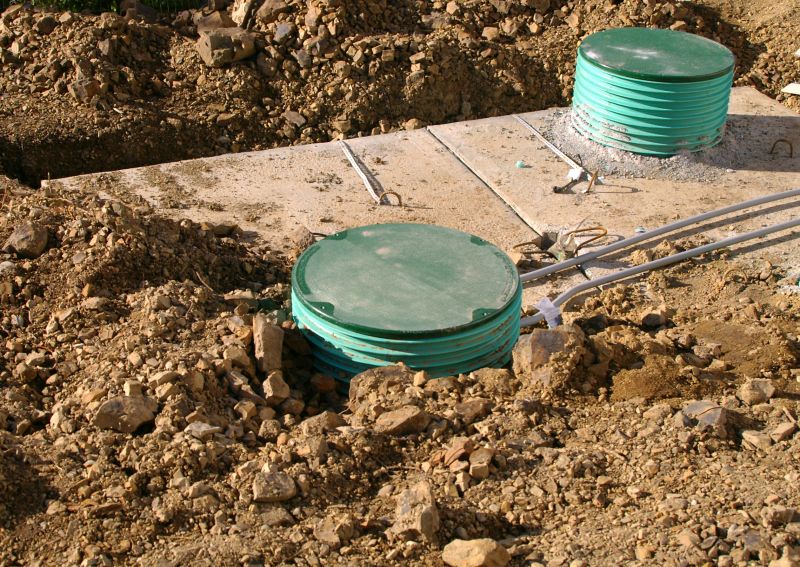
Popular materials for Septic Tank Installations and why they hold up over time.
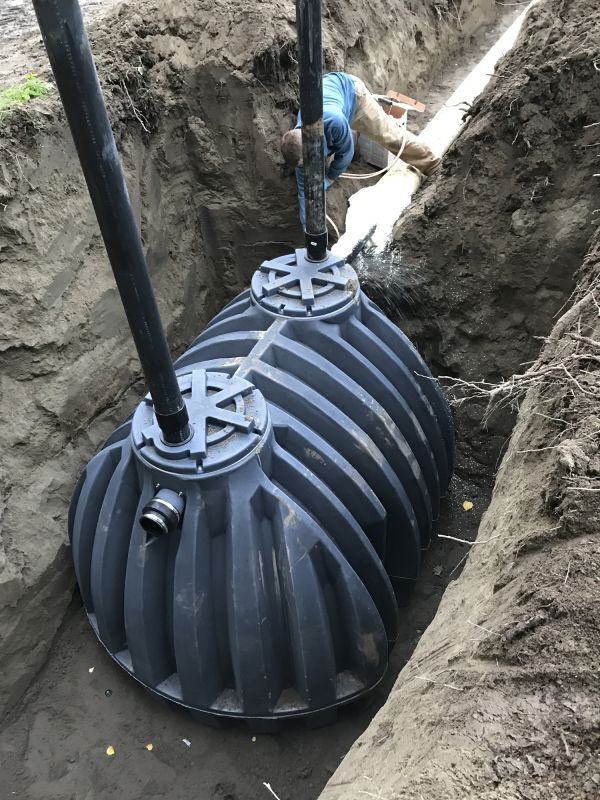
Simple add-ons that improve Septic Tank Installations without blowing the budget.
Septic tank installations are a critical component of onsite wastewater management. Proper timing can influence installation quality, system longevity, and operational efficiency. Factors such as seasonal weather patterns, soil stability, and local regulations are essential to consider. Installing during favorable conditions minimizes disruptions and reduces the likelihood of future issues. Statistics indicate that installations performed in suitable weather conditions experience fewer delays and maintenance problems, emphasizing the importance of timing in septic system projects.
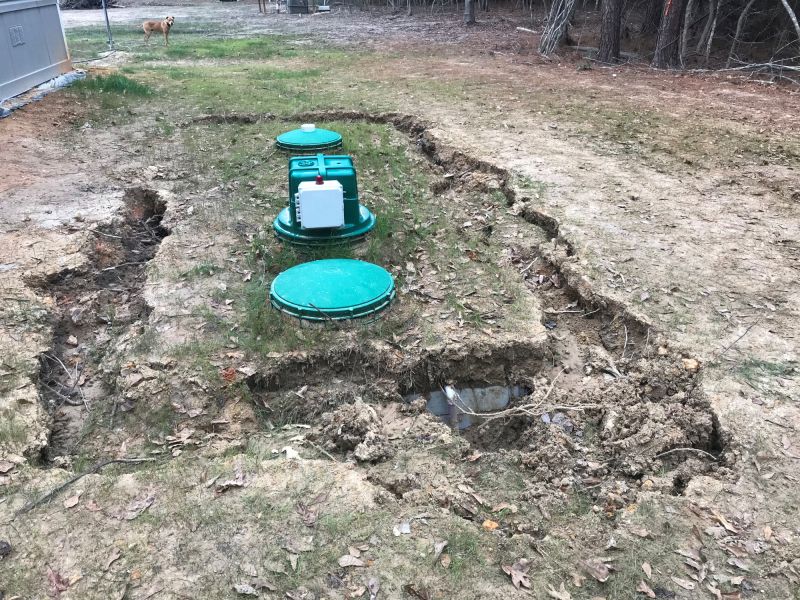
Excavation is a foundational step that benefits from dry, stable soil conditions.
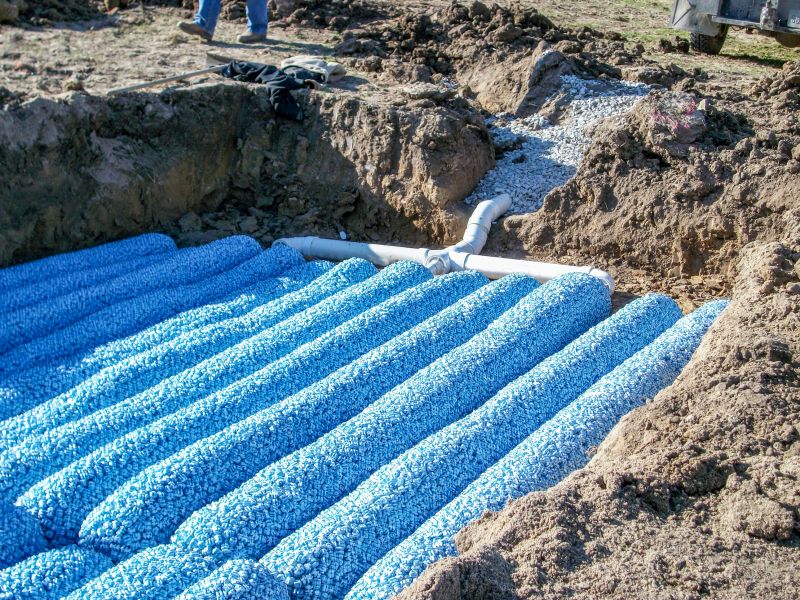
Proper placement of tanks and pipes ensures system efficiency and durability.
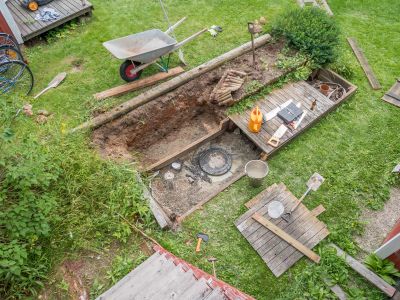
Restoring the site after installation is easier in favorable weather conditions.
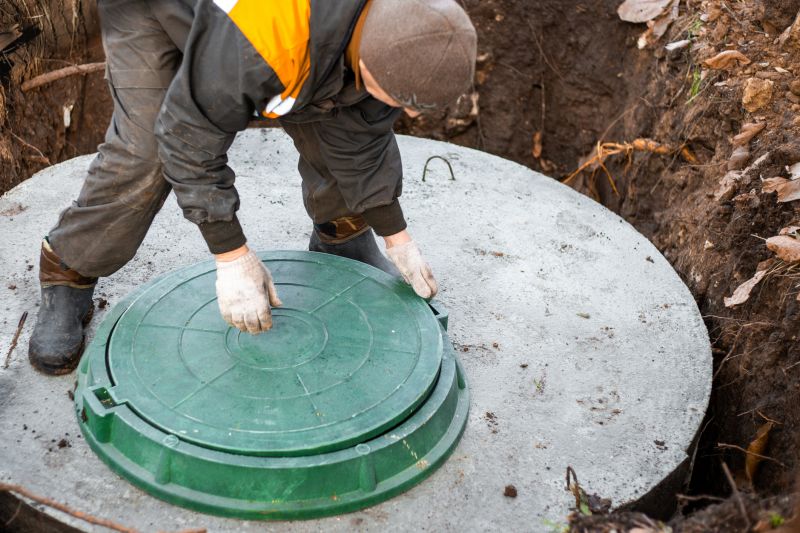
Conducted after installation, optimal weather helps ensure accurate testing and inspection.
| Factor | Impact on Septic Tank Installation |
|---|---|
| Season | Spring and fall offer moderate weather, reducing delays. |
| Soil Conditions | Dry and stable soil supports excavation and installation. |
| Temperature | Avoid freezing temperatures to prevent ground heaving. |
| Rainfall | Heavy rain can cause delays and soil instability. |
| Regulatory Windows | Local regulations may specify permissible installation periods. |
| Scheduling | Off-peak seasons may provide more flexibility and cost savings. |
Choosing the right time for septic tank installation can enhance project efficiency and system performance. Proper planning around seasonal weather, soil stability, and regulatory requirements ensures a smoother process. If interested in scheduling a septic tank installation, filling out the contact form is recommended to explore available options and timelines.