Efficient Septic Tank Installation to Support Your Property
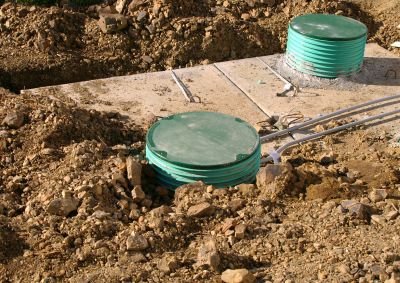
Proper site preparation ensures a stable foundation for septic tanks, reducing the risk of future issues and ensuring compliance with local regulations.
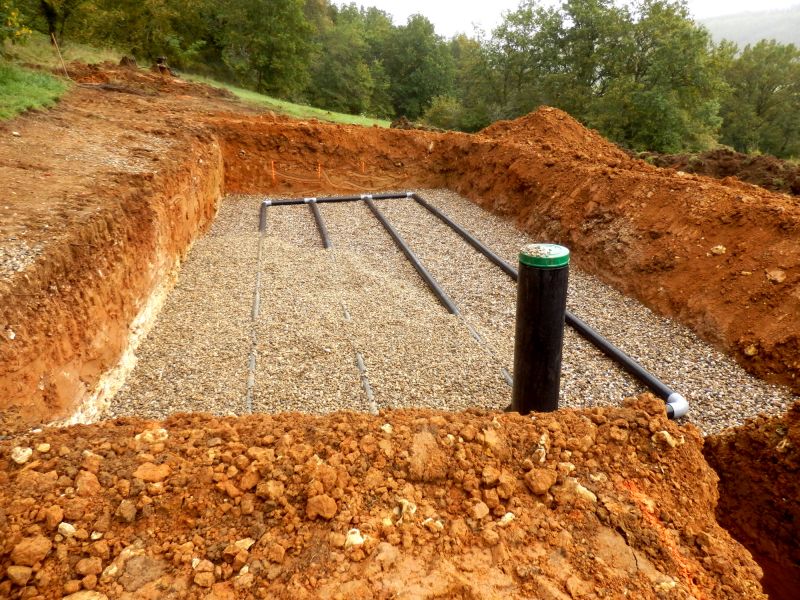
Excavation involves digging the appropriate-sized hole for the septic tank, followed by precise placement to ensure proper function and accessibility.
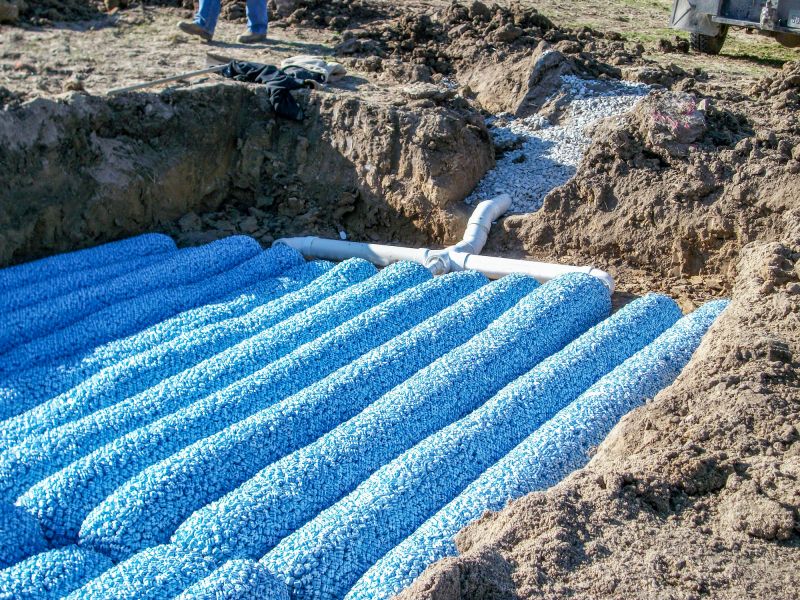
Final installation includes connecting the tank to the drain field and ensuring all components are securely installed for optimal performance.
Septic tank installations are critical for managing wastewater in areas lacking centralized sewage systems. Proper installation ensures effective waste processing, minimizes environmental impact, and extends the lifespan of the system. On average, a professional installation can take between one to three days, depending on site complexity and tank size. Experienced technicians follow a detailed process that begins with site assessment, permits, excavation, tank placement, and connection to drain fields. Engaging professionals guarantees adherence to local codes, safety standards, and optimal system performance.
The process of installing a septic tank involves multiple steps, including site evaluation, soil testing, obtaining necessary permits, excavation, tank installation, and system testing. Proper planning and execution are essential to prevent future issues such as leaks or system failures. Hiring experienced professionals reduces installation time, ensures compliance, and provides peace of mind that the system will operate effectively for years to come.
Professional septic tank installation typically takes one to three days, depending on site conditions and tank size.
Key steps include site assessment, permits, excavation, tank placement, connection to drain field, and system testing.
Ensures compliance with regulations, reduces installation time, and guarantees system longevity and performance.
Choosing a professional for septic tank installation provides assurance of proper setup, adherence to safety standards, and long-term operational reliability. Properly installed systems help prevent costly repairs and environmental issues, making professional installation a prudent investment for property owners.
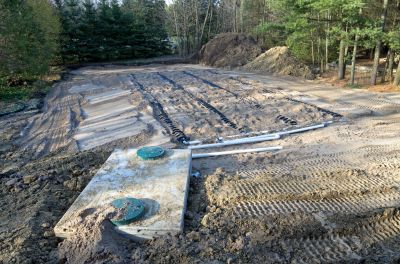
A fully installed septic system ready for use, demonstrating proper setup and connection.
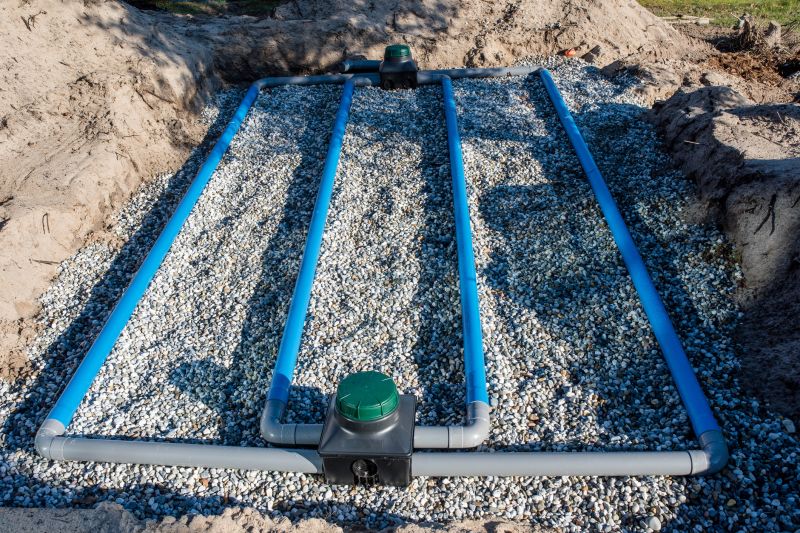
The final phase involves connecting the septic tank to the drain field for effective wastewater dispersal.
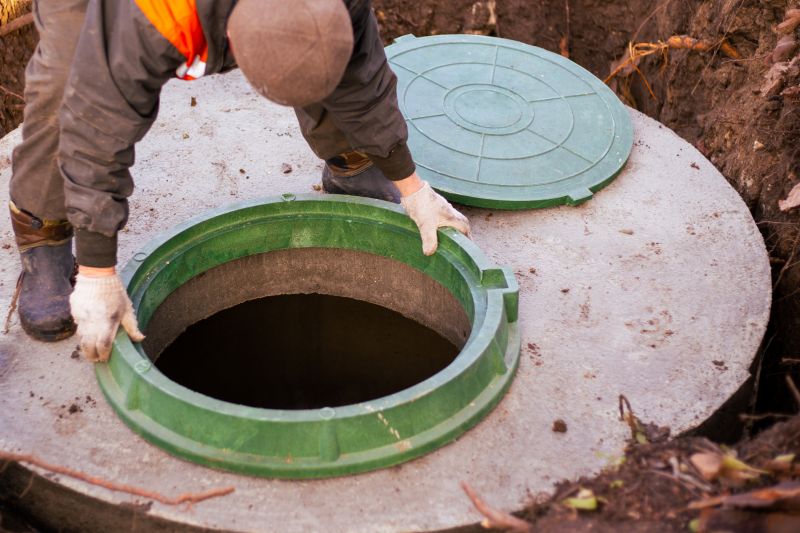
Post-installation inspection ensures all components are correctly installed and functioning properly.
Properly installed septic systems are essential for effective wastewater management. They help protect property value, prevent environmental contamination, and ensure compliance with local health standards. If considering a septic tank installation, it is advisable to contact experienced professionals to obtain an accurate quote and ensure the system is installed correctly and efficiently.