
Favorite Septic Tank Installation Tools And Supplies For Contractors
Get the essential tools and materials trusted by experts to ensure a smooth and secure septic tank installation process.
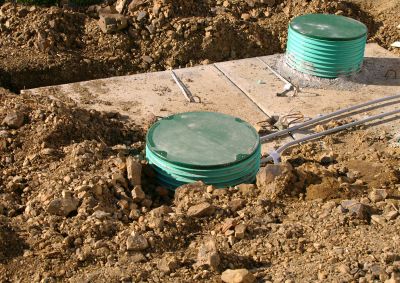 Installing a septic tank system requires careful selection of various products designed to ensure proper waste management and system longevity. From tanks and distribution boxes to inlet and outlet fittings, each component plays a vital role in the overall functionality of the septic system. Choosing the right products involves understanding the specific needs of your property, the capacity requirements, and the compatibility of parts with existing infrastructure. Proper installation and maintenance are crucial for preventing system failures and ensuring compliance with local regulations.
Top Overall Option
Polyethylene Septic Tank
Polyethylene septic tanks are widely used for their durability, lightweight nature, and resistance to corrosion. They are available in various capacities to suit different household sizes and are relatively straightforward to install. Their smooth interior surfaces help prevent buildup, and their modular designs can accommodate future expansions. Properly selected polyethylene tanks can be a practical choice for many septic system installations.
Types of Products For Septic Tank Installations
Septic Tanks
Various materials including polyethylene, concrete, and fiberglass designed to hold and treat wastewater.
Distribution Boxes
Devices that evenly distribute effluent to the drain field to ensure proper absorption.
Inlet and Outlet Fittings
Connectors that facilitate the flow of waste into and out of the septic tank securely.
Septic Tank Lids and Risers
Access points for inspection, maintenance, and pumping, often adjustable for convenience.
Effluent Filters
Filters installed at the outlet to prevent solids from entering the drain field.
Pump Tanks
Additional tanks used in systems requiring pumped effluent distribution.
Vent Pipes
Components that release gases and prevent odor buildup within the system.
Drain Field Accessories
Components like gravel beds, piping, and distribution chambers supporting effluent dispersal.
Inspection Ports
Access points for routine checks and maintenance of the septic tank system.
Septic Tank Additives
Biological or chemical agents to aid in waste breakdown and system health.
Baffle Walls
Internal partitions that prevent solids from exiting the tank and clogging the drain field.
Alarm Systems
Devices alerting homeowners to system malfunctions or overflows.
Flow Meters
Tools to monitor wastewater flow rates for system performance assessment.
Septic Tank Accessories
Various additional components such as clamps, seals, and adapters for installation and repair.
Popular Choices
Lightweight and durable tanks suitable for various residential applications.
Easy access points for routine maintenance and inspections.
Filters that help prevent solids from entering the drain field, promoting system health.
Ensure even distribution of effluent to the drain field for optimal performance.
Accessible lids and risers for maintenance without excavation.
Prevent odor and gas buildup with proper venting components.
Internal components that improve solids separation and prevent clogging.
Used in pressure distribution systems to enhance effluent flow.
Notify homeowners of system issues early to prevent damage.
Pipes designed for effective dispersal of effluent into the soil.
Support waste breakdown and system maintenance.
Various tools and parts for installation and repairs.
Septic tank products vary widely in size, material, and design features. Some tanks are constructed from durable polyethylene, offering resistance to corrosion and ease of installation. Others are made of concrete or fiberglass, each with their own advantages and considerations. Accessories such as effluent filters, risers, and lids help facilitate maintenance and inspection, making ongoing system management more straightforward. When selecting components, it is important to consider factors like soil conditions, household size, and usage patterns.
In addition to the primary septic tank, various auxiliary products support the system's operation. These include distribution boxes that evenly distribute effluent to drain fields, pump tanks for systems requiring additional pressure, and vent pipes to prevent odors and ensure proper airflow. Properly chosen and installed products can improve system efficiency and reduce the likelihood of backups or leaks. Consulting with a professional or thoroughly researching product specifications can help ensure that each component meets the demands of your installation site.
Regular maintenance products such as bacterial additives and inspection ports can extend the lifespan of your septic system. Investing in quality products from reputable suppliers can contribute to a smoother installation process and reliable performance over time. Remember, the selection of products should align with local code requirements and best practices for septic system installation and upkeep.
Key Buying Considerations
- Determine the appropriate tank capacity based on household size and usage patterns.
- Select a durable material that withstands local soil and environmental conditions.
- Ensure compatibility of fittings and accessories with existing or planned system components.
- Consider ease of access for maintenance, inspection, and pumping operations.
- Check local codes and regulations to ensure compliance with installation standards.
- Evaluate the weight and ease of transportation for installation logistics.
- Look for products with reliable seals and fittings to prevent leaks and odors.
- Assess the availability of replacement parts and accessories for future maintenance.
- Review manufacturer specifications for maximum load and pressure ratings.
- Consider the overall system design, including drain field and distribution components.
- Prioritize products that facilitate straightforward installation and troubleshooting.
- Examine warranty options and customer support availability.
- Research product reviews and feedback from other users or professionals.
- Factor in the long-term maintenance needs and availability of additives or cleaning products.
- Think about potential expansion or upgrades to the system in the future.
This content contains affiliate links. We may earn a commission if you make a purchase through these links, at no additional cost to you.